Research library
What the studies report. Compound by compound.
One page per compound or comparison: the published literature, summarised and cited, linked to the lot certificate for the material we supply.
- 24 pages
- 151 sources
- For research use only
Every claim is numbered
Peer-reviewed, indexed sources, cited inline and listed on the page.
Hedged to the evidence
What the studies report and what they do not — never further.
The lot, not a floor
Purity is the measured figure on that lot's certificate.
GLP-2 TZ: Two Different Molecules Share This Name
This page exists for an unusual reason. Search the term and you will find suppliers selling two completely different molecules under the same code. One is a dual-receptor metabolic agonist. The other is an intestinal growth factor. They are not variants of each other. Before anything else, it is worth knowing which one a vial contains.
- 4 min
- 7 sources
- Sep 21, 2026
Melanotan II: What the Dermatology Literature Reports
Melanotan II is a synthetic alpha-MSH analogue. Its literature is mostly dermatology case reports. What those reports say, and what they cannot prove.
- 3 min
- 7 sources
- Sep 21, 2026
Epithalon: The Famous Human Result Belongs to a Different Substance
Epithalon's headline human study did not test epithalon. It tested epithalamine, the pineal extract it was built from. Here is what each one actually showed.
- 3 min
- 4 sources
- Sep 21, 2026
Glutathione: Real Biochemistry, Contested Supplement
Glutathione is the cell's main antioxidant and a real tripeptide. Whether taking it raises your stores, and whether it lightens skin, are separate questions.
- 3 min
- 4 sources
- Sep 21, 2026
Pinealon: Three Amino Acids With a Very Short Evidence Trail
Pinealon is a Glu-Asp-Arg tripeptide from the Khavinson programme. What the rat studies report, what the proposed mechanism is, and how thin the record is.
- 3 min
- 3 sources
- Sep 21, 2026
Thymosin Alpha-1: More Trials Than Most, Less Certainty Than You'd Expect
Thymosin alpha-1 has more trial data than almost any research peptide. A 1,106-patient trial and a Cochrane review show why that is not the same as proof.
- 4 min
- 6 sources
- Sep 21, 2026
KPV: Three Amino Acids From the End of a Hormone
KPV is the last three amino acids of alpha-MSH. What the colitis models report, how it gets into gut cells, and why there is still no human trial.
- 3 min
- 4 sources
- Sep 21, 2026
Selank: What the Research Shows, and Who Did It
Selank was compared head to head with a benzodiazepine in a 62-patient trial. What that trial found, what the lab work adds, and why the source matters.
- 3 min
- 5 sources
- Sep 21, 2026
Semax: A Seven-Amino-Acid Peptide With a Stroke Trial Behind It
Semax is an ACTH(4-10) analogue studied in stroke recovery. What the 110-patient study measured, what the lab work shows, and where the evidence stops.
- 3 min
- 5 sources
- Sep 21, 2026
Semax vs Selank: What Separates Two Peptides From the Same Lab
Semax and selank came out of the same Moscow research programme. One study scanned both in the same people. What the evidence separates, and what it does not.
- 3 min
- 7 sources
- Sep 21, 2026
PT-141 (Bremelanotide): What the Research Actually Shows
PT-141 acts on melanocortin receptors in the brain, not on blood flow. What the phase 3 trials measured, what they reported, and what they left open.
- 3 min
- 5 sources
- Sep 21, 2026
5-Amino-1MQ: The NNMT Inhibitor That Isn't a Peptide
5-Amino-1MQ is a small-molecule NNMT inhibitor, not a peptide. What the mouse studies report on adipose tissue, muscle and NAD+ — and what is still unknown.
- 4 min
- 4 sources
- Sep 21, 2026
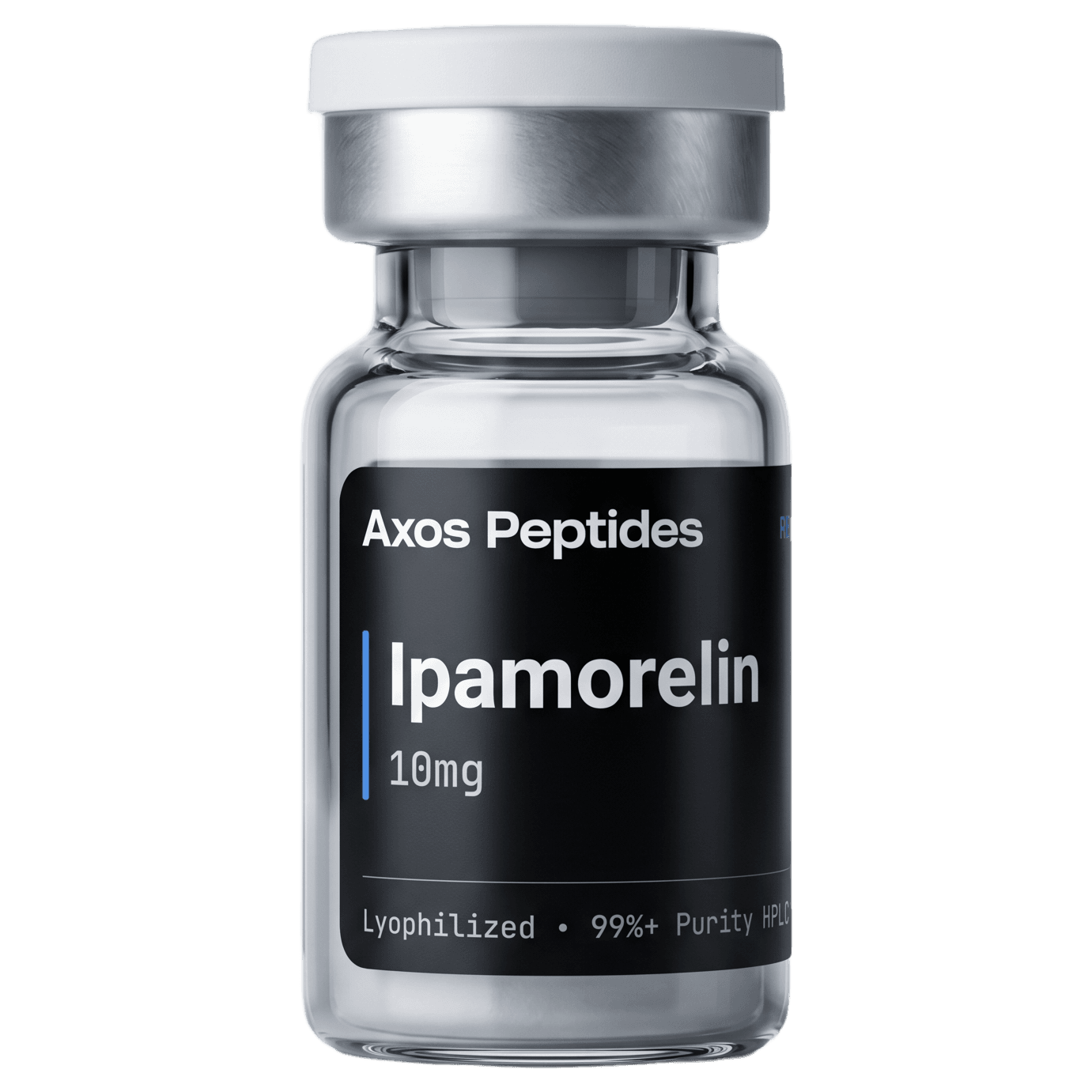
Tesamorelin vs Sermorelin vs Ipamorelin: What the Evidence Shows
Three peptides aimed at the growth hormone axis, three very different evidence bases. What each was tested on, in whom, and what the trials measured.
- 4 min
- 10 sources
- Sep 21, 2026
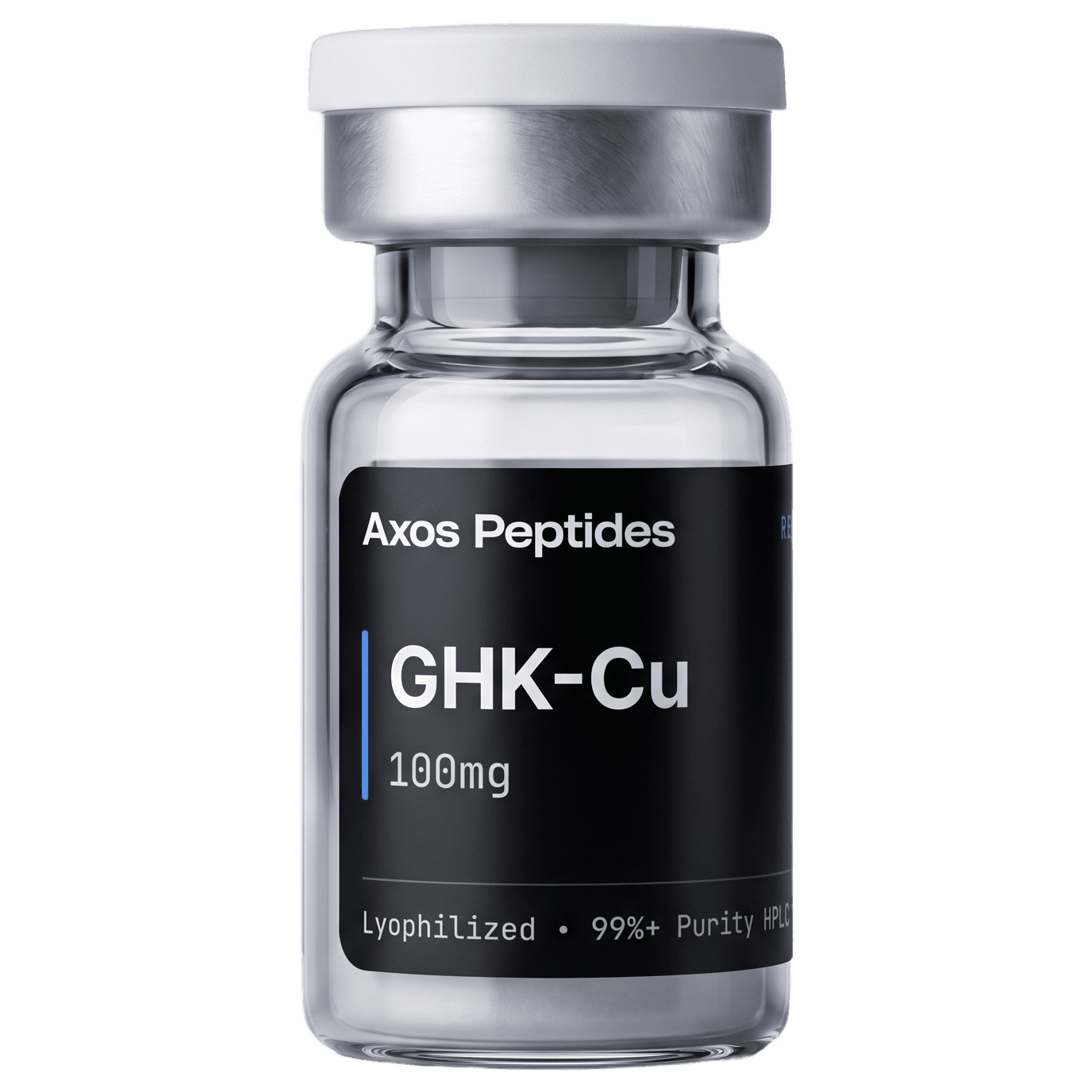
GHK-Cu explained: the copper peptide your body makes less of with age
GHK-Cu is a tiny three-amino-acid peptide bound to copper. The body makes it naturally: blood levels run about 200 ng/mL at age 20 and fall to about 80 by age 6
- 4 min
- 7 sources
- Sep 20, 2026
Ipamorelin explained: the growth hormone peptide that leaves stress hormones alone
Ipamorelin is a five-amino-acid peptide that prompts the pituitary gland to release growth hormone. What made scientists sit up in 1998: it did it without raisi
- 3 min
- 6 sources
- Sep 20, 2026
Tesamorelin explained: the peptide with real human trials behind it
Tesamorelin is a lab-made copy of GHRH, the signal that tells the pituitary gland to release growth hormone. Unlike most research peptides, it has big human tri
- 4 min
- 7 sources
- Sep 20, 2026
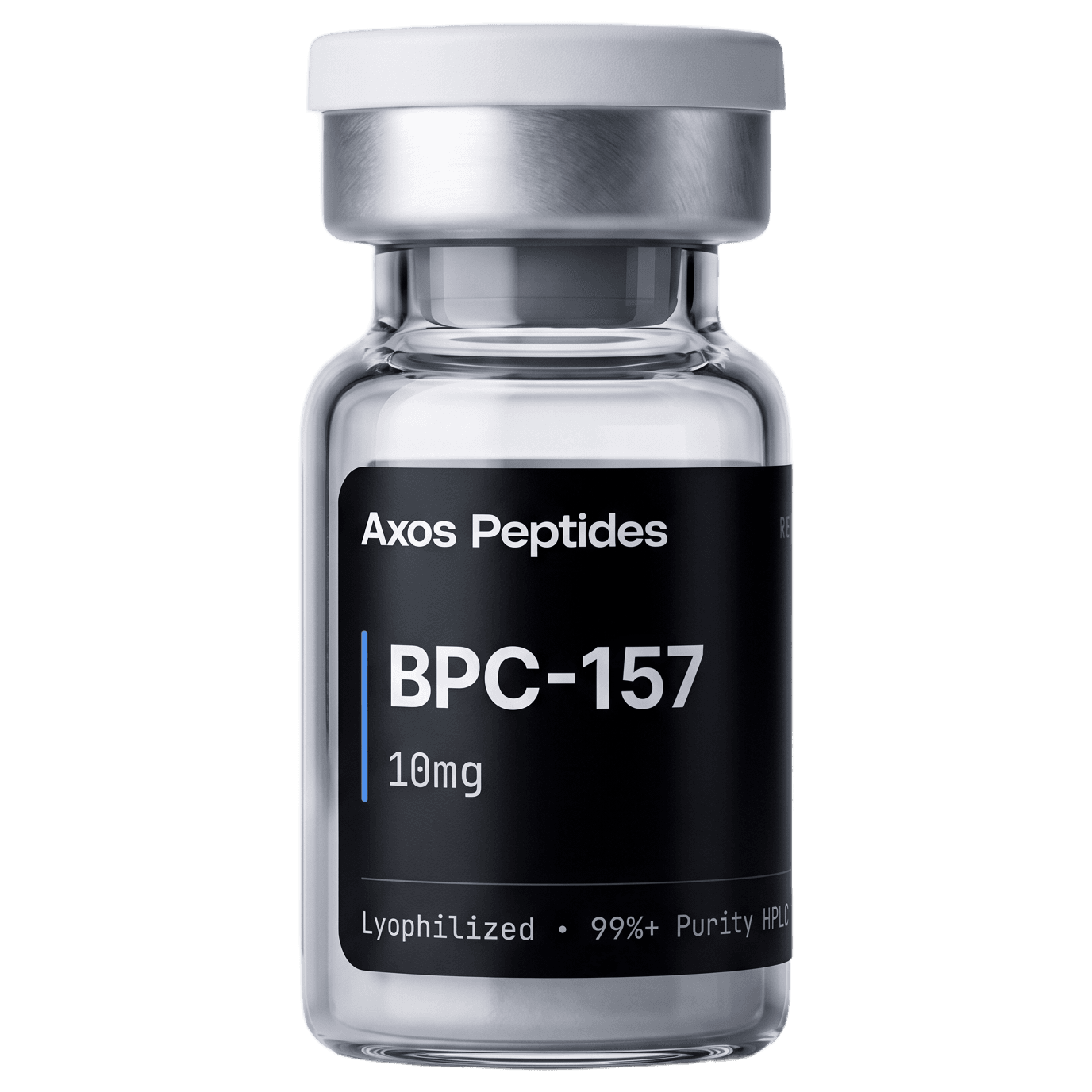
BPC-157 explained: what the research really shows
BPC-157 is a 15-amino-acid peptide copied from a protein in human stomach juice. In rat studies, it helped cut tendons, torn ligaments, gut injuries and skin wo
- 4 min
- 11 sources
- Sep 20, 2026
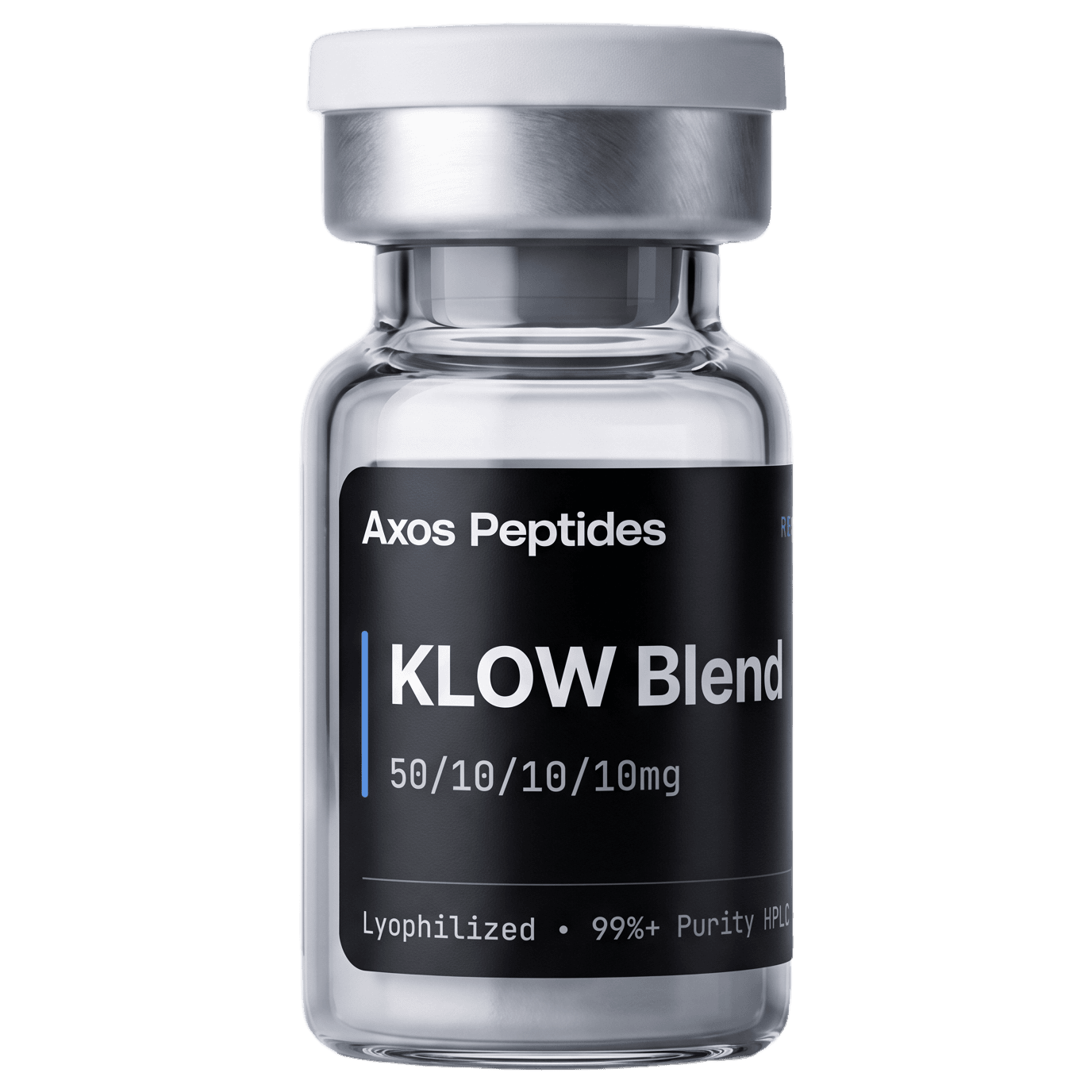
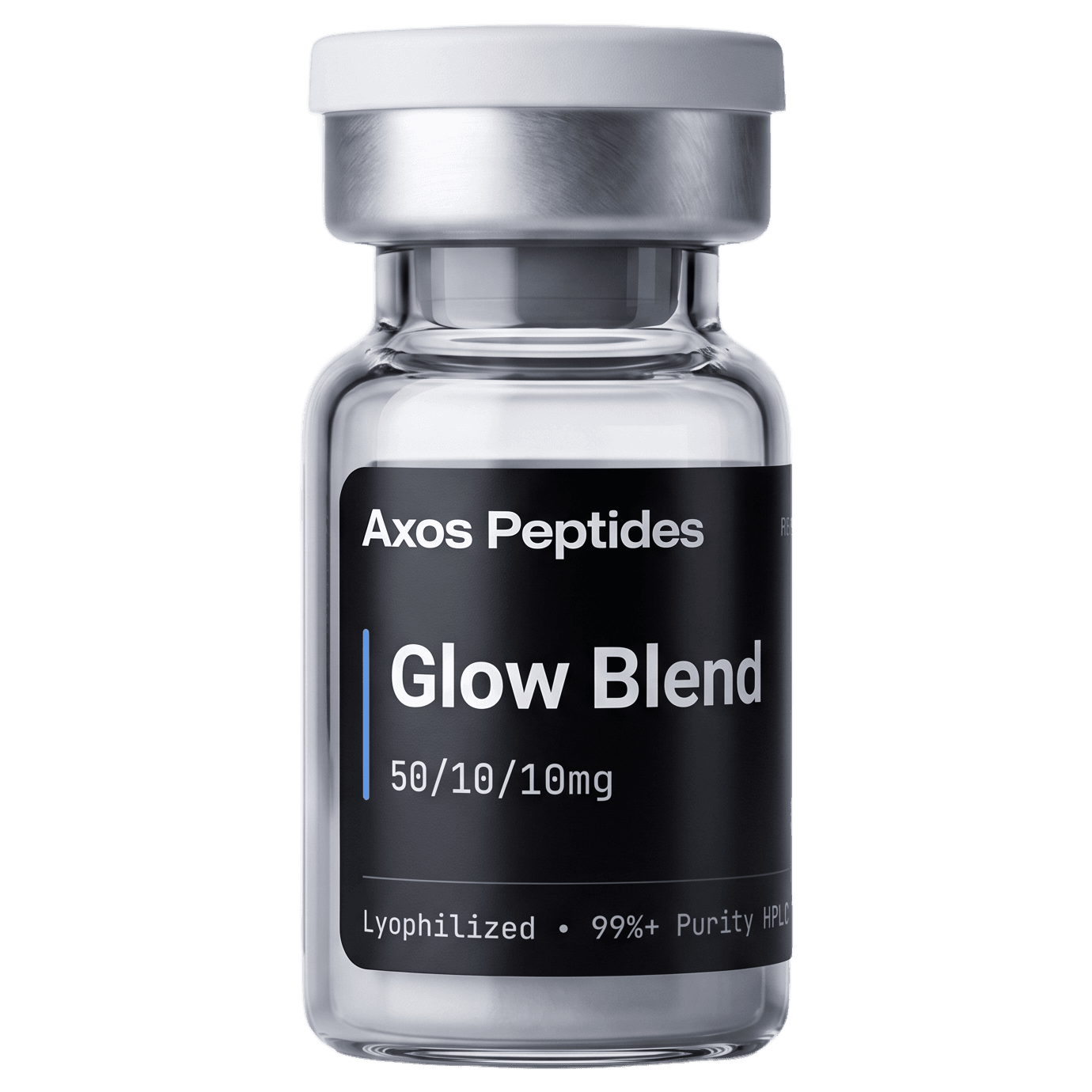
KLOW vs GLOW: What's the Difference Between the Two Blends?
KLOW vs GLOW side by side: the same three core research peptides, plus the one KLOW adds (KPV). What published studies report on each component.
- 4 min
- 11 sources
- Sep 19, 2026
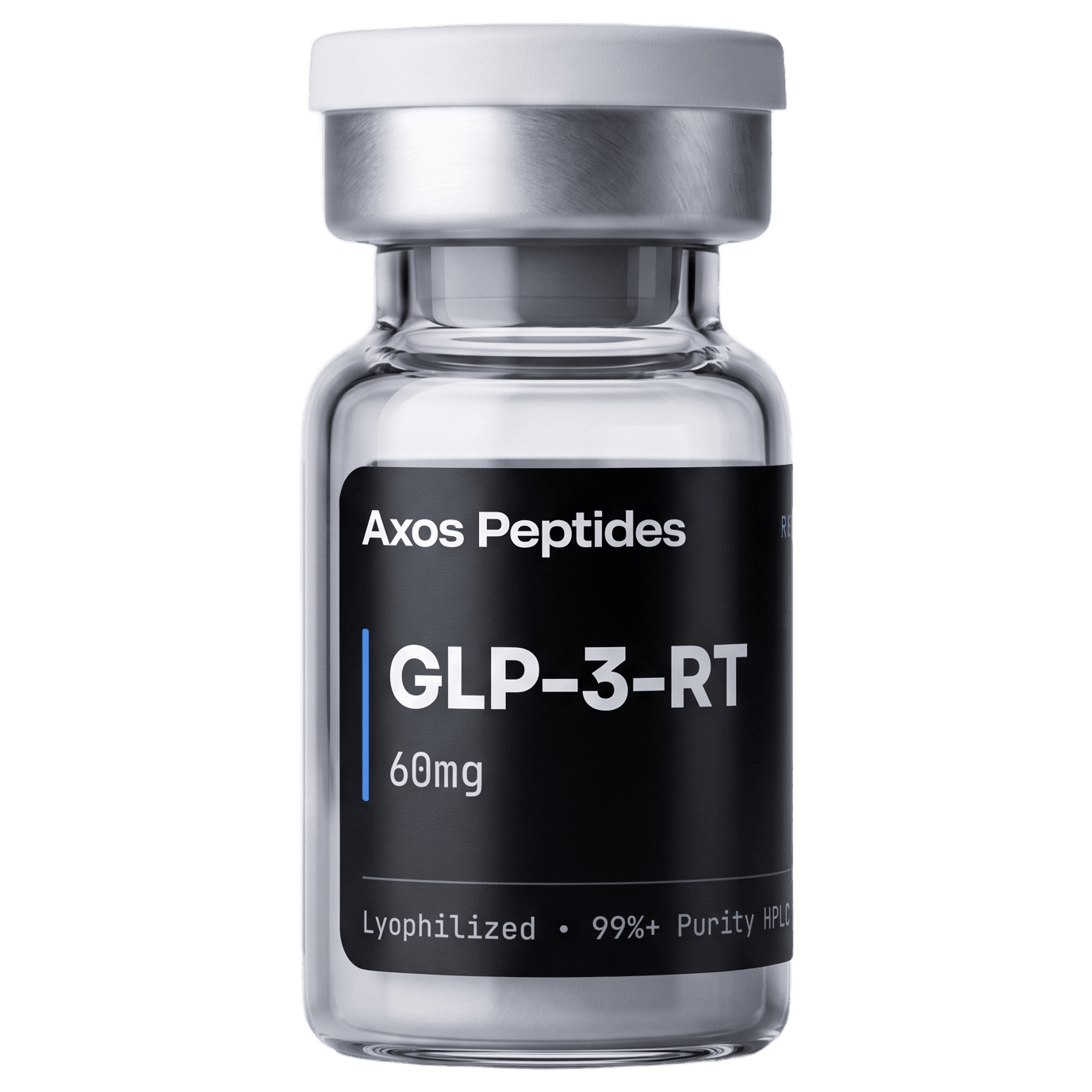
GLP-3 RT: What the Research Says About the Triple-Agonist Peptide
What GLP-3 RT is, how a triple GIP, GLP-1 and glucagon receptor agonist works, and what the published trials of its reference compound report.
- 4 min
- 5 sources
- Sep 19, 2026
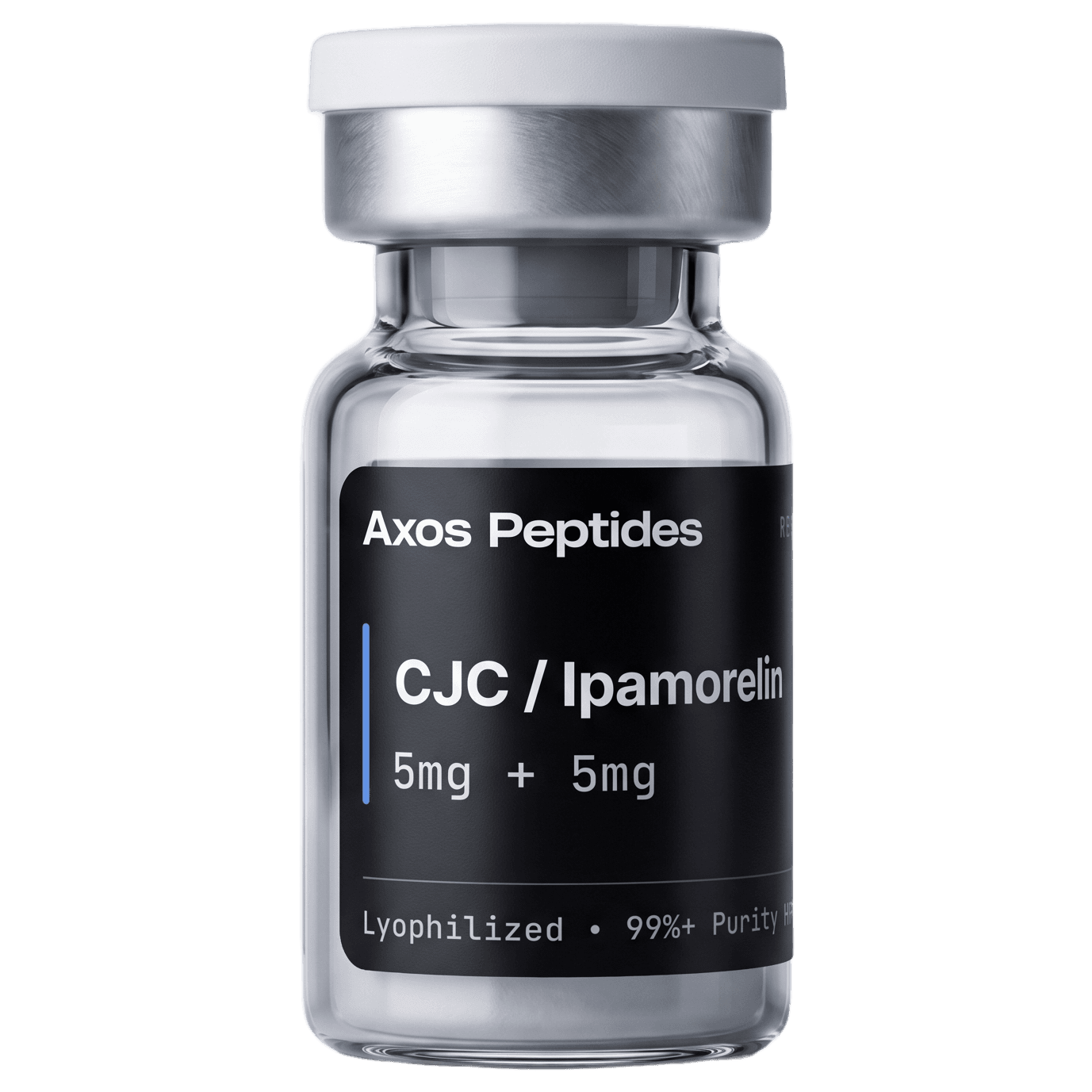
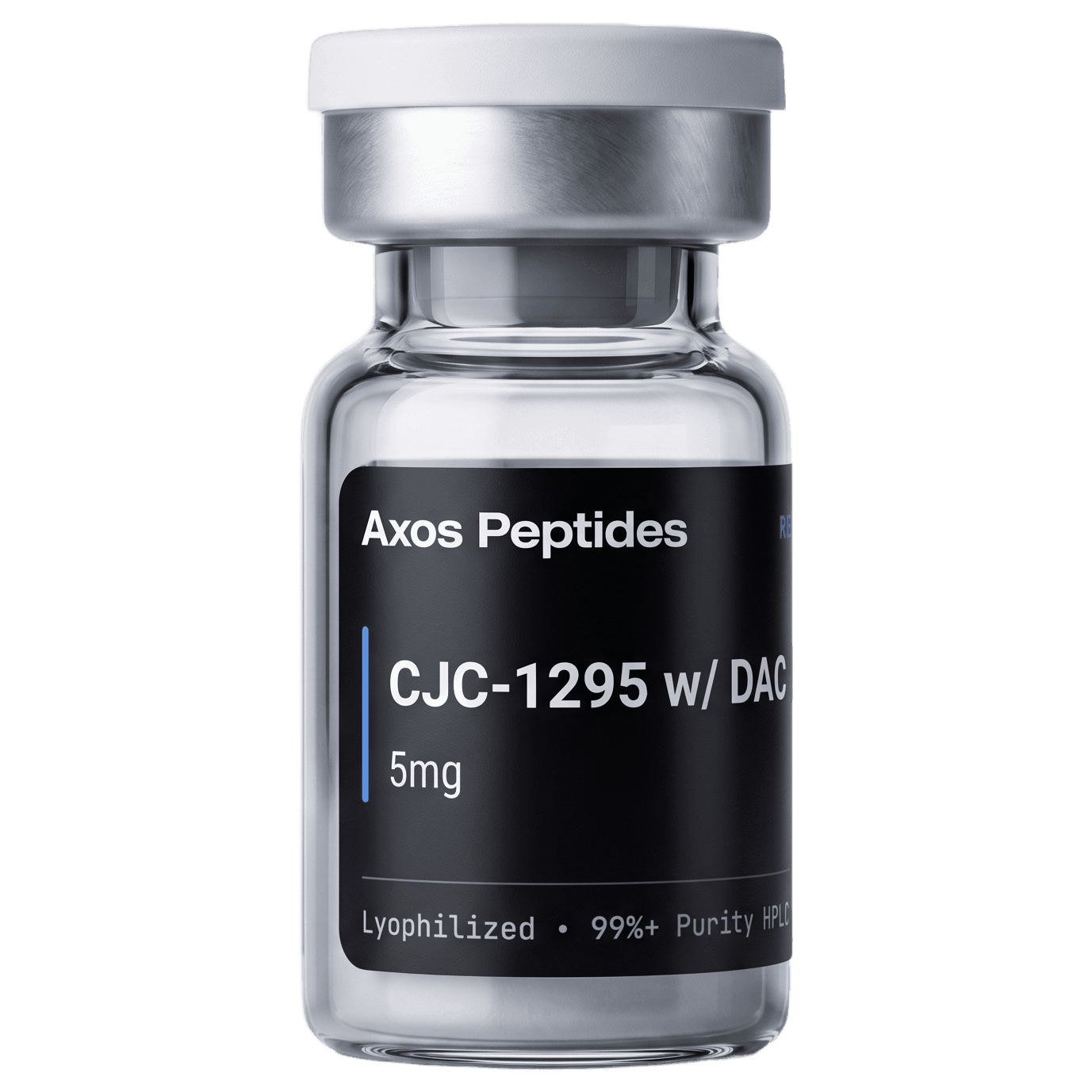
CJC-1295 Ipamorelin: How the Classic GH Research Pairing Works
How CJC-1295 and ipamorelin act on the growth-hormone system, why DAC matters, and what the published human and animal studies report.
- 4 min
- 7 sources
- Sep 19, 2026
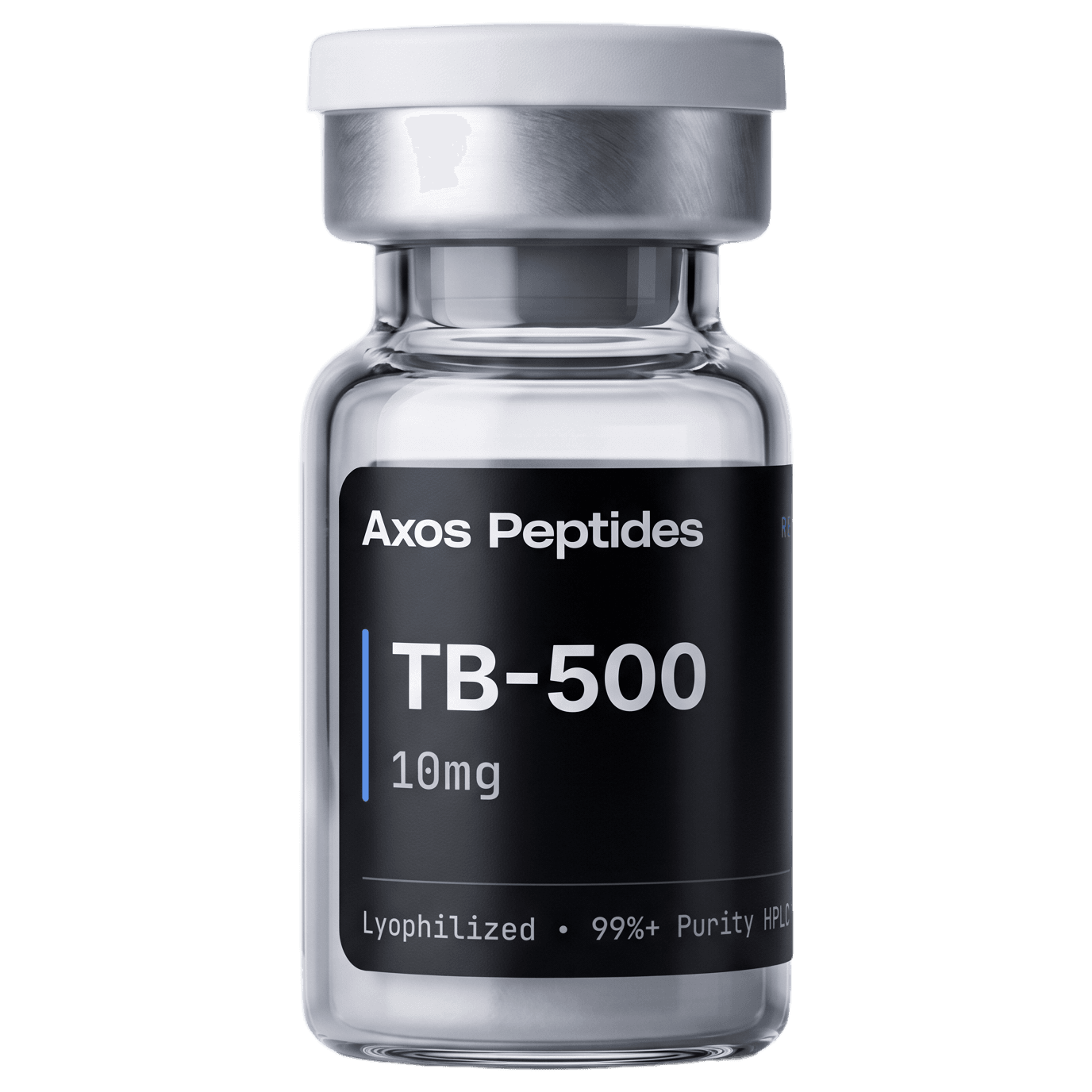
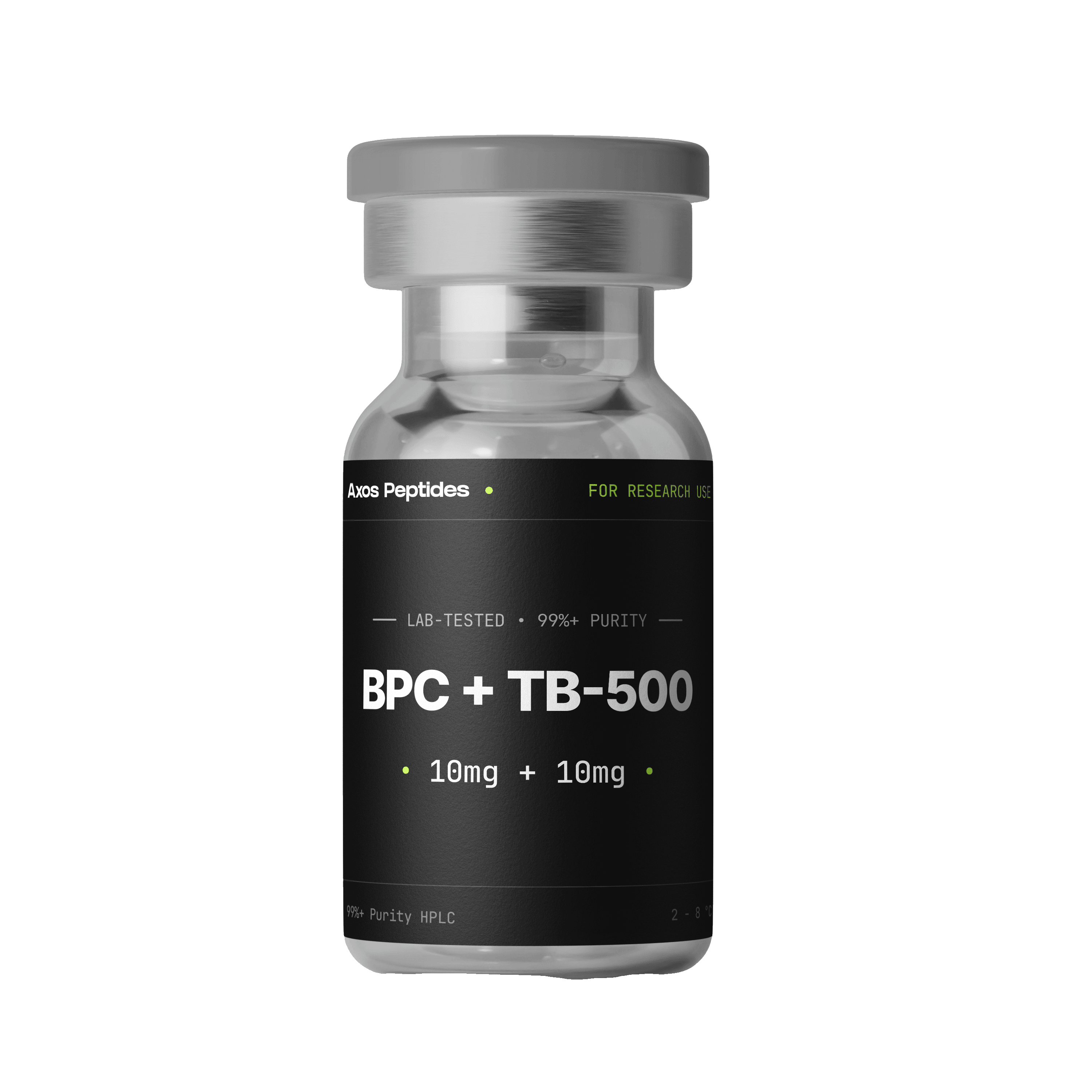
What Is TB-500? The Thymosin Beta-4 Fragment, Explained
TB-500 and thymosin beta-4: what the active region does, what cell and animal studies report, and why the lot certificate decides which molecule you have.
- 3 min
- 7 sources
- Sep 19, 2026
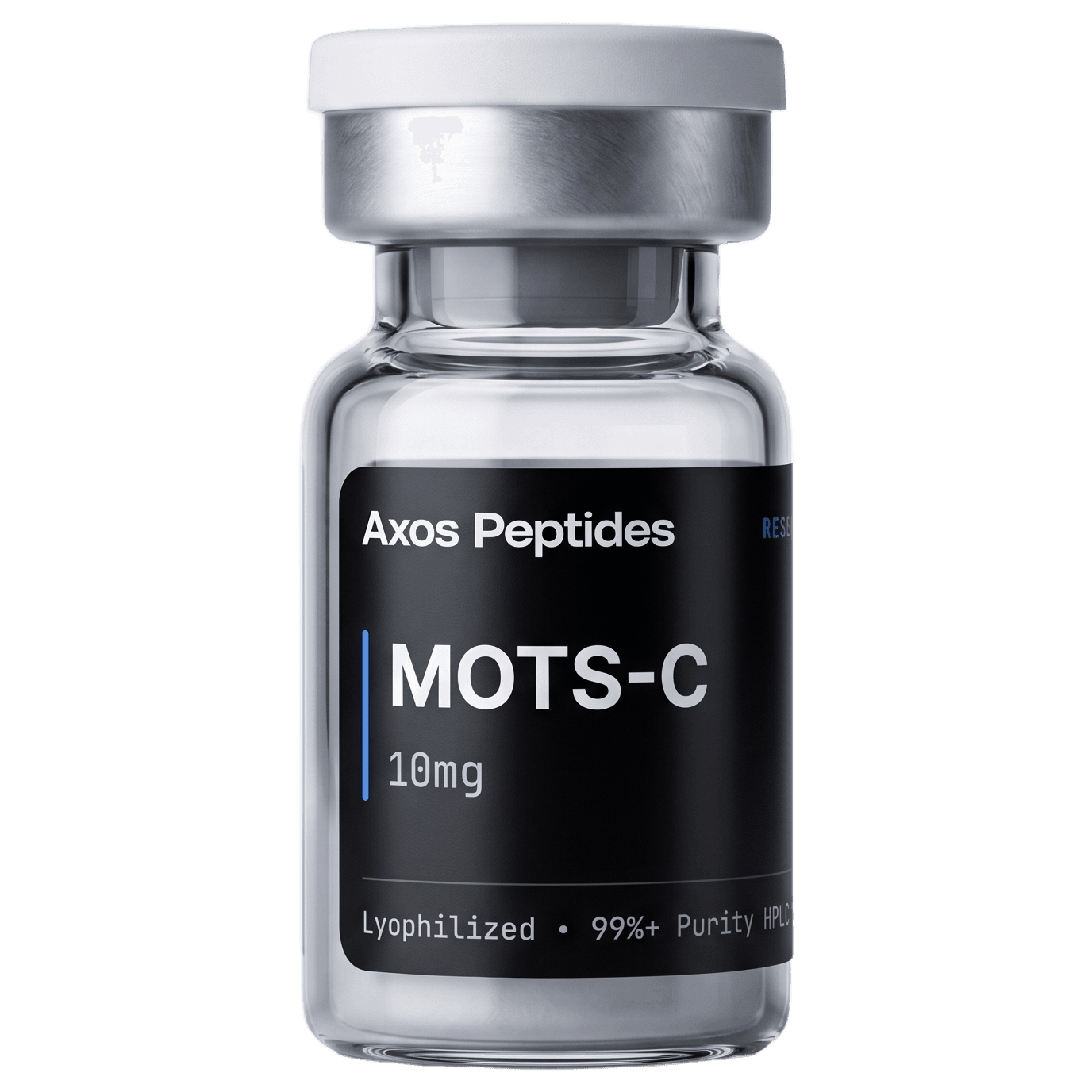
MOTS-c: The Exercise Peptide Hiding in Your Mitochondria
MOTS-c is a 16-amino-acid peptide encoded in mitochondrial DNA. What it does in muscle and metabolism, how exercise raises it, and what studies report.
- 3 min
- 6 sources
- Sep 19, 2026
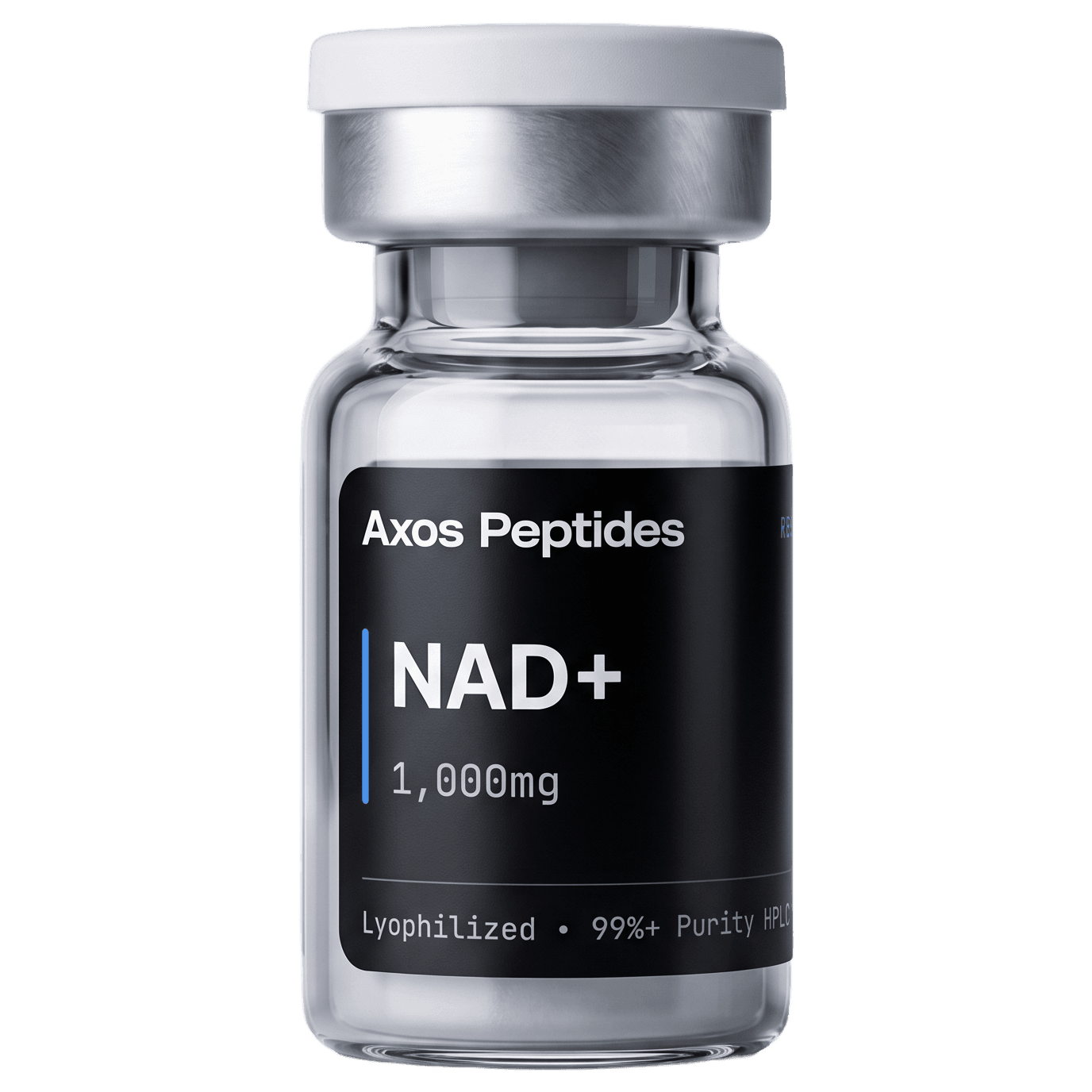
Is NAD+ a Peptide? What NAD+ Is and What the Research Shows
NAD+ isn't a peptide, but it's one of the most-studied molecules in aging research. What it does, why levels fall with age, and what studies report.
- 3 min
- 9 sources
- Sep 19, 2026
How to Read a Peptide COA (and Spot a Bad One)
A plain-English guide to peptide certificates of analysis: what HPLC purity measures, how mass spec proves identity, and the red flags to watch for.
- 4 min
- 4 sources
- Sep 19, 2026
For research use only. Not for human or veterinary use. Not intended to diagnose, treat, cure, or prevent any disease. Sold and handled strictly as a laboratory research chemical; by purchasing you confirm you are a qualified researcher.