Published research on the reference compound class. Provided for scientific context only. Not a claim about the product supplied.
KLOW vs GLOW at a glance
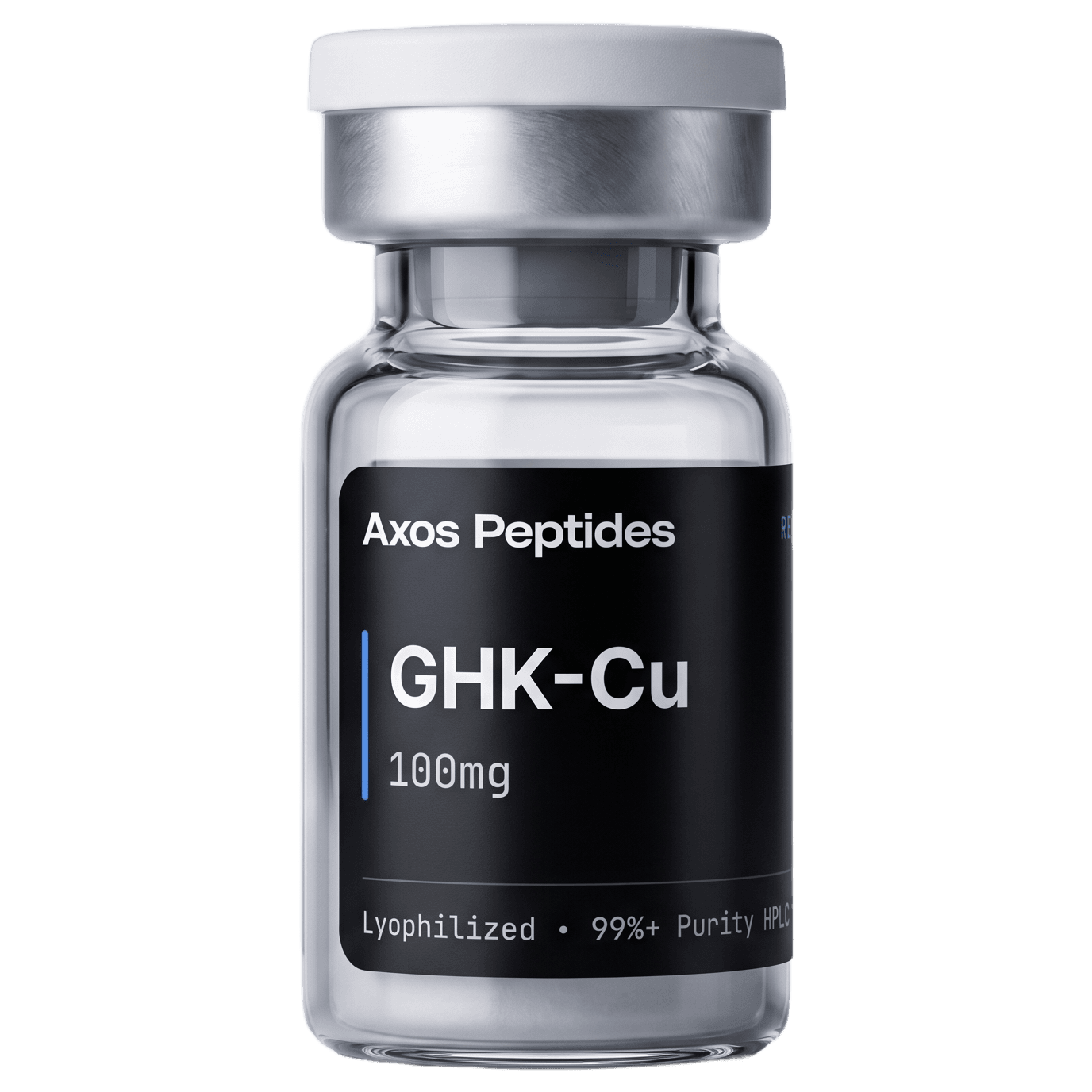
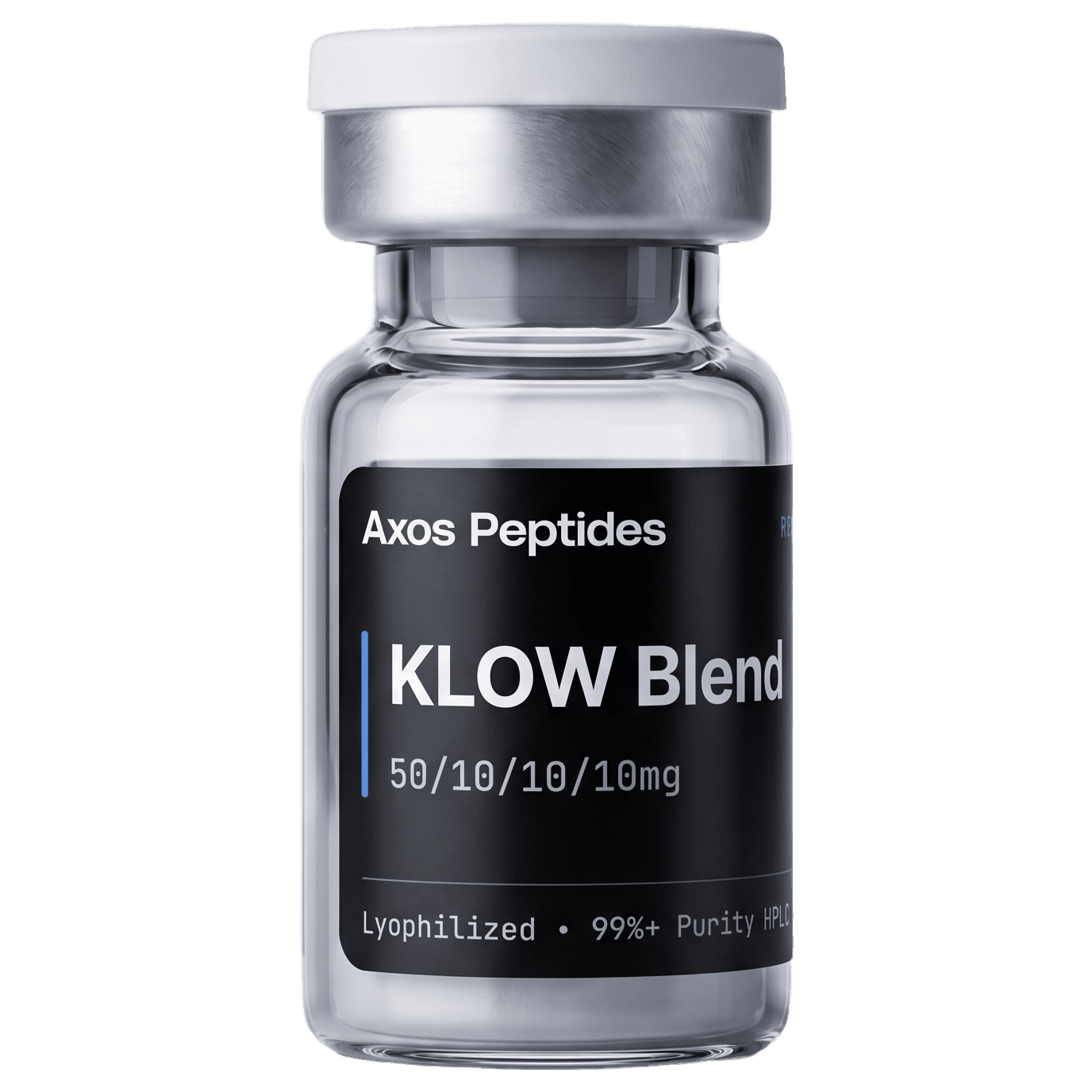
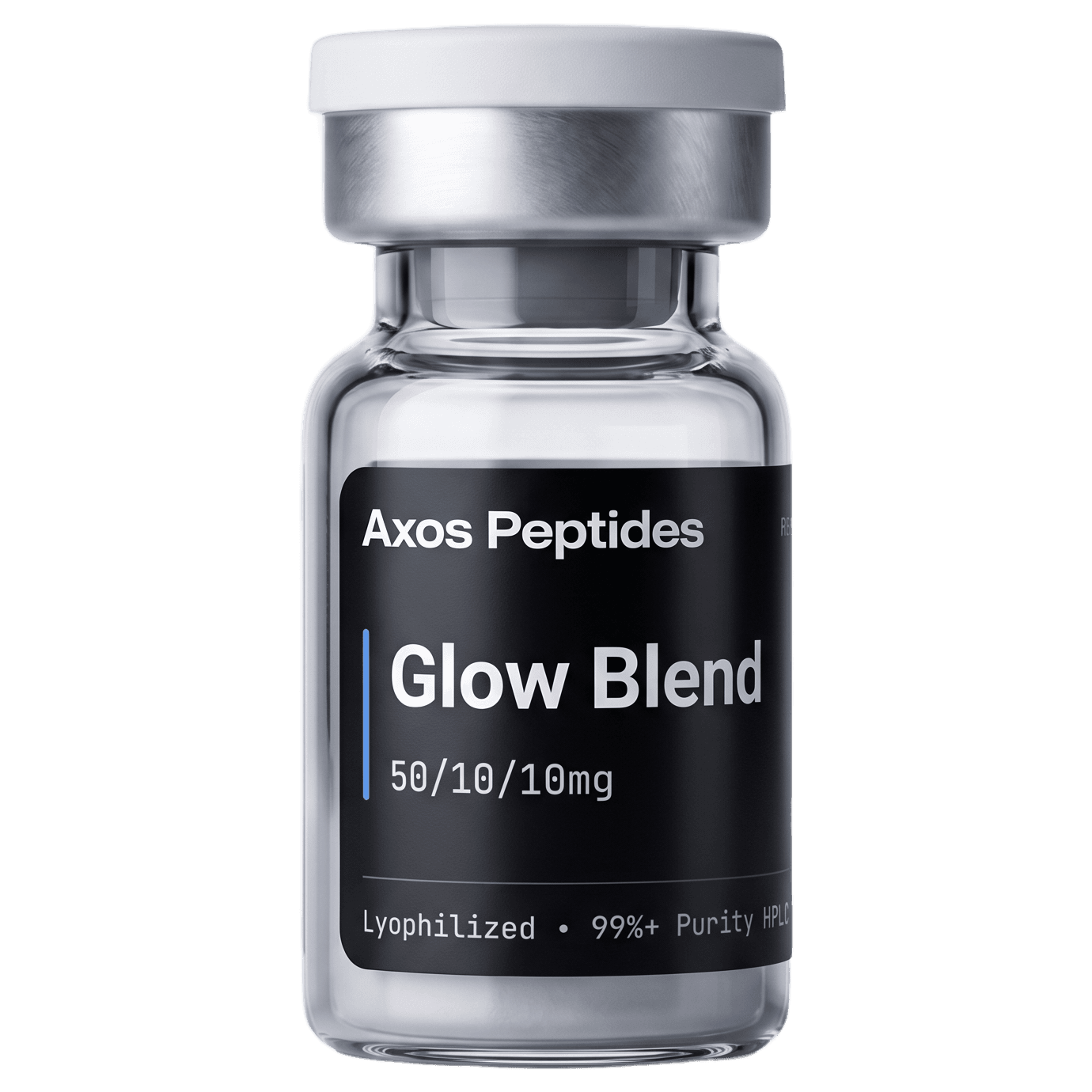
Start with the label. Both vials are built on the same foundation: GHK-Cu, BPC-157 and TB-500, in identical amounts. KLOW simply adds a fourth research peptide, KPV. That's the whole difference, and it's a meaningful one.
| Component | GLOW | KLOW | Research spotlight |
|---|---|---|---|
| GHK-Cu | 50 mg | 50 mg | Copper peptide studied in skin and tissue repair5 |
| BPC-157 | 10 mg | 10 mg | Gastric peptide studied in tendon models2 |
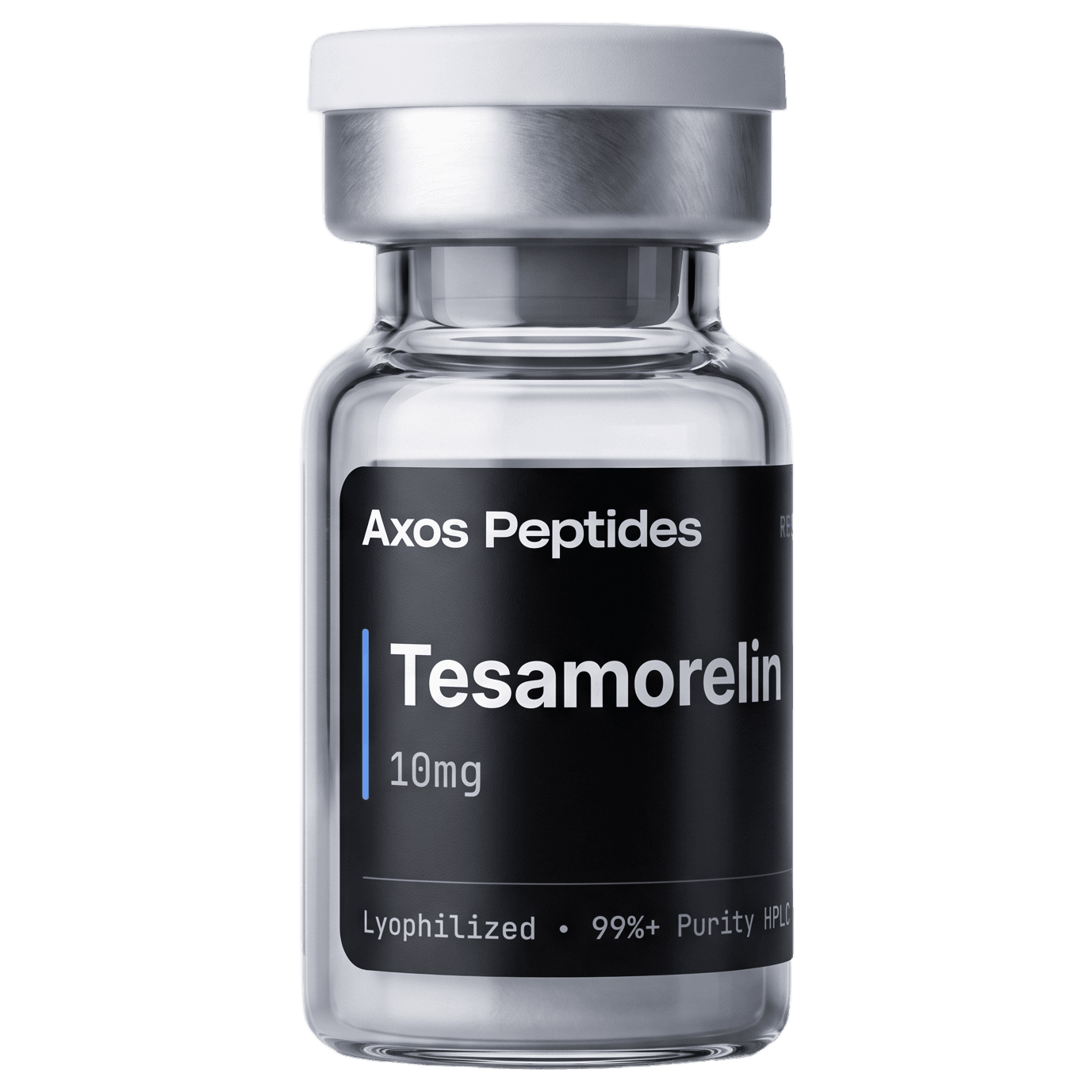
| TB-500 | 10 mg | 10 mg | Synthetic fragment of thymosin beta-46 |
| KPV | — | 10 mg | Alpha-MSH fragment studied in inflammation models7 |
- 3
- research peptides in GLOW
- 4
- research peptides in KLOW
- 1
- difference between them: KPV
The core three: what the research says
These three peptides share a vial for a reason. Each one has a research history in tissue repair, and each works through a different mechanism. Think of them as three specialists on one team.
GHK-Cu, the copper peptide. GHK was discovered in 1973, when researchers found a factor in human blood that made old liver tissue produce proteins like young tissue.8 The body makes it naturally, but levels decline with age.1 In lab and animal research, GHK-Cu boosted collagen and elastin production and supported the skin cells that build them, with repair effects reported in skin, lung, bone, liver and stomach-lining models.5 One review even reports that GHK can switch at least 4,000 human genes up or down.1
BPC-157, the gut-derived peptide. BPC-157 is a 15-amino-acid piece of a protein first isolated from human gastric juice.2 In rat tendon studies, it sped up tendon cell outgrowth, helped cells survive oxidative stress and increased cell migration in a dose-dependent way.2 A 2019 review found the rodent results consistently positive across tendon, ligament and muscle models, while noting the effect is not yet confirmed in humans.9
TB-500, the migration specialist. TB-500 is a synthetic copy of LKKTETQ, a short active region of the natural protein thymosin beta-4.6 That region is the protein's actin-binding site, and in lab tests it matched the full protein's effect on blood-vessel cell migration.3 Full thymosin beta-4 also boosted skin regrowth over wounds in rats by as much as 61% at day 7.10
KPV: the fourth peptide that makes it KLOW
KPV is tiny: just three amino acids (lysine, proline, valine). It's the tail end of alpha-MSH, a natural hormone best known for its anti-inflammatory effects.7 Small as it is, it has a busy research file.
- It shuts down inflammatory switches. In human gut and immune cells, KPV blocked two major inflammation pathways (NF-kB and MAP kinase) and cut inflammatory signals, at nanomolar concentrations.4
- It has its own way into cells. KPV enters through PepT1, a transporter that becomes more active in inflamed gut tissue.4
- It worked in two mouse colitis models. Treated mice recovered sooner, bounced back to their normal body weight faster and showed fewer inflammatory cells in the colon.7
- It doesn't need the usual receptor. KPV still worked in mice without a working MC1R receptor, and every treated animal in that group survived the colitis challenge.7
Researchers are even building targeted delivery systems for it: nanoparticles that carry KPV straight to colon cells.11 That's a sign of how seriously the field takes this three-amino-acid peptide.
KLOW or GLOW: choosing for your research
Because the blends differ by exactly one component, the choice comes down to one question: does your research question involve inflammatory signalling?
- Choose GLOW when your work centres on the repair-and-structure trio: collagen and matrix signalling (GHK-Cu), cell migration (TB-500) and tendon or tissue models (BPC-157).
- Choose KLOW when you also want the inflammation arm. KPV adds NF-kB and cytokine signalling to the same core.4
- Running both? Since the core three are identical, the pair makes a natural comparison: the only variable is KPV.
How both blends are verified
Every lot is tested by an independent lab before it goes on sale. The certificate lists the lot number, the exact measured HPLC purity and the lab that ran it. Match the lot number on your vial to its report in our COA library. New to certificates? Our guide to reading a peptide COA walks through every field.
A published certificate is the one claim you can check for yourself, vial in hand.
Sources
Numbered as cited in the text
- 1
GHK peptide as a natural modulator of multiple cellular pathways in skin regeneration
Pickart L, Vasquez-Soltero JM, Margolina A · BioMed Research International 2015:648108 · 2015
- 2
The promoting effect of pentadecapeptide BPC 157 on tendon healing involves tendon outgrowth, cell survival, and cell migration
Chang CH, Tsai WC, Lin MS, et al. · Journal of Applied Physiology 110(3):774–780 · 2011
- 3
The actin binding site on thymosin beta4 promotes angiogenesis
Philp D, Huff T, Gho YS, et al. · The FASEB Journal 17(14):2103–2105 · 2003
- 4
PepT1-mediated tripeptide KPV uptake reduces intestinal inflammation
Dalmasso G, Charrier-Hisamuddin L, Nguyen HT, et al. · Gastroenterology 134(1):166–178 · 2008
- 5
Regenerative and protective actions of the GHK-Cu peptide in the light of the new gene data
Pickart L, Margolina A · International Journal of Molecular Sciences 19(7):1987 · 2018
- 6
Doping control analysis of TB-500, a synthetic version of an active region of thymosin β4, in equine urine and plasma by liquid chromatography-mass spectrometry
Ho EN, Kwok WH, Lau MY, et al. · Journal of Chromatography A 1265:57–69 · 2012
- 7
Melanocortin-derived tripeptide KPV has anti-inflammatory potential in murine models of inflammatory bowel disease
Kannengiesser K, Maaser C, Heidemann J, et al. · Inflammatory Bowel Diseases 14(3):324–331 · 2008
- 8
The human tripeptide GHK-Cu in prevention of oxidative stress and degenerative conditions of aging: implications for cognitive health
Pickart L, Vasquez-Soltero JM, Margolina A · Oxidative Medicine and Cellular Longevity 2012:324832 · 2012
- 9
Gastric pentadecapeptide body protection compound BPC 157 and its role in accelerating musculoskeletal soft tissue healing
Gwyer D, Wragg NM, Wilson SL · Cell and Tissue Research 377(2):153–159 · 2019
- 10
Thymosin beta4 accelerates wound healing
Malinda KM, Sidhu GS, Mani H, et al. · Journal of Investigative Dermatology 113(3):364–368 · 1999
- 11
Orally targeted delivery of tripeptide KPV via hyaluronic acid-functionalized nanoparticles efficiently alleviates ulcerative colitis
Xiao B, Xu Z, Viennois E, et al. · Molecular Therapy 25(7):1628–1640 · 2017